Direct answer
A pencil sample shows the desired result, but it does not automatically define all production details. B2B buyers should approve both a golden sample and a written specification before mass production.
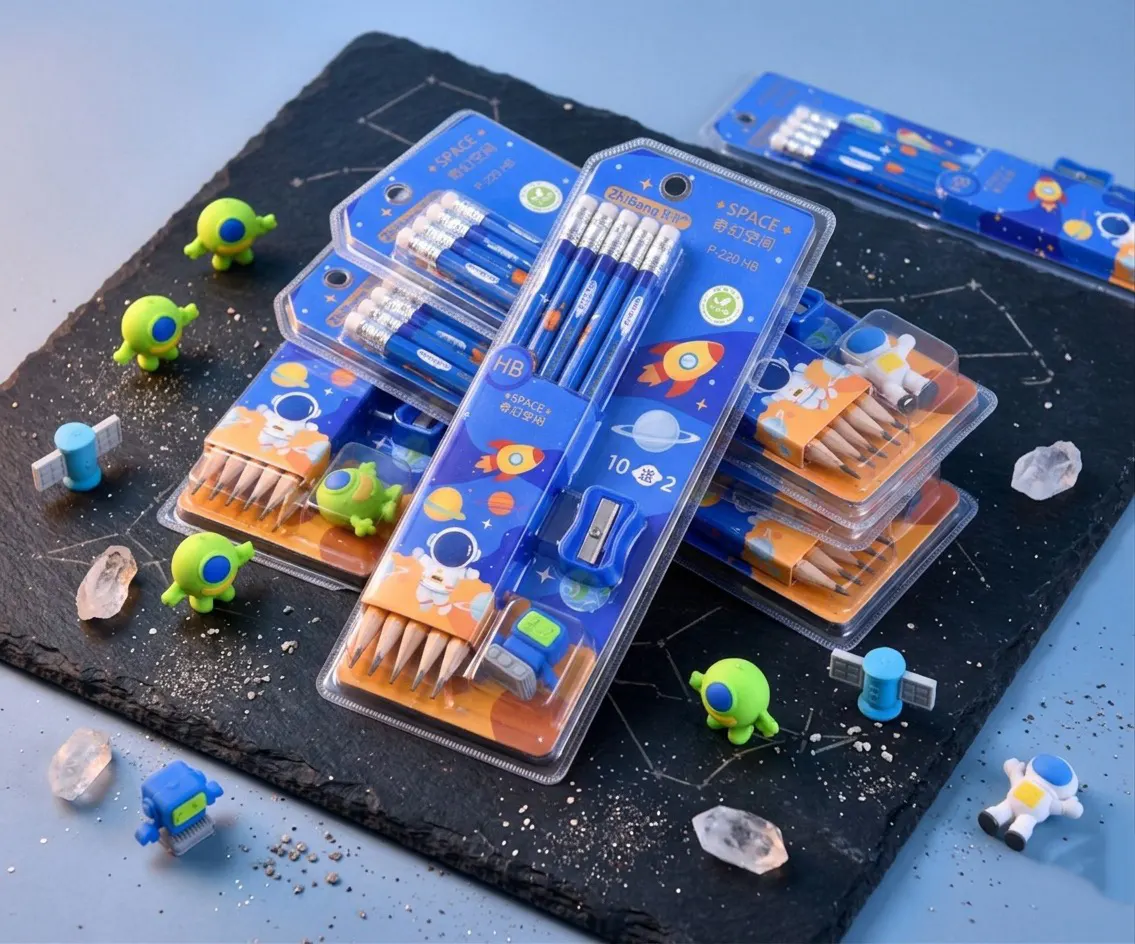
In OEM pencil sourcing, many buyers approve a sample and assume the product is now fully controlled. That is a risky assumption. A physical sample shows one result, but it does not automatically define all the decisions needed for stable mass production.
For a pencil order, the factory still needs clear answers on materials, dimensions, lead grade, barrel shape, finish, print method, logo position, color tolerance, packaging, barcode, carton quantity, inspection criteria, and shipping marks.
Questions a sample alone may not answer
- Is the sample a stock sample, handmade sample, printed sample, or pre-production sample?
- Which details are critical and which are only for reference?
- What tolerance is acceptable for length, diameter, color, printing, and packaging?
- What should be checked during production and before shipment?
- Which packaging version, barcode, label, and carton mark are final?
- Does the final product require EN 71, LHAMA, or another market-specific review?
Golden sample plus written specification
Professional buyers reduce risk by using both a golden sample and a written product specification. The golden sample gives the visual and performance reference. The written specification gives the measurable production standard.
| Control tool | What it does |
|---|---|
| Golden sample | Shows appearance, feel, writing or coloring performance, and approved presentation. |
| Written specification | Defines measurable requirements, materials, packaging, inspection points, and approval version. |
| Inspection checklist | Turns the approved standard into practical checks during and after production. |
What a pencil specification should include
A useful specification should include product name and SKU, pencil length, diameter, barrel shape, lead grade or color assortment, material requirement, surface finish, logo file, print method, print size, print position, eraser, ferrule, end dip, retail packaging, barcode, inner carton, master carton, testing requirements, inspection checklist, and approved sample version.
This may sound detailed, but it saves time. It also makes supplier communication more professional. If an issue appears during production, the team can ask: "What does the approved specification say?" instead of arguing from memory.
When production timing should start
At Zibom Stationery, we encourage buyers to confirm both sample and written details before mass production. For customized pencil orders, the typical lead time is calculated after the final sample, artwork, packaging details, and deposit are confirmed. Production should not start while key details are still moving.
Procurement takeaway
Do not treat sample approval as the end of product development. Treat it as the beginning of controlled production. A good sample shows what you want. A good specification helps make it repeatable.